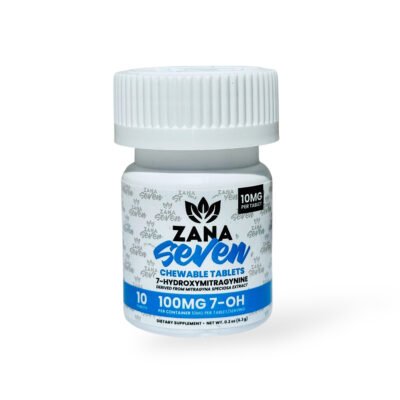
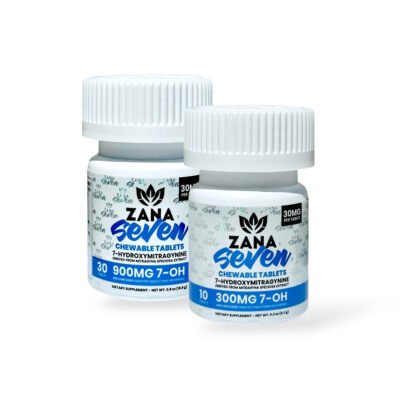
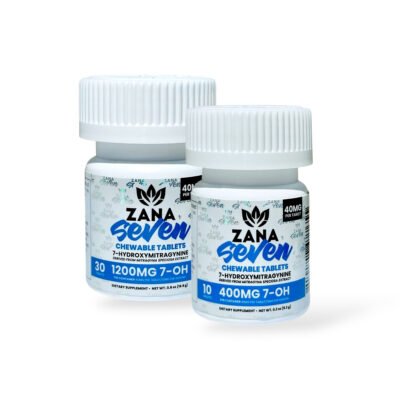
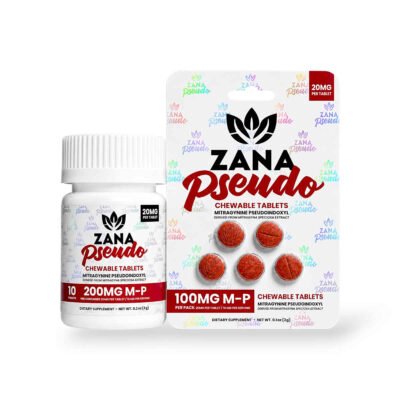
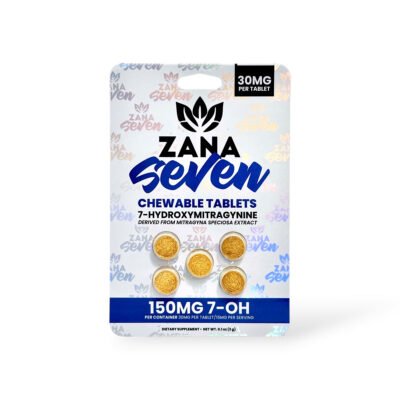
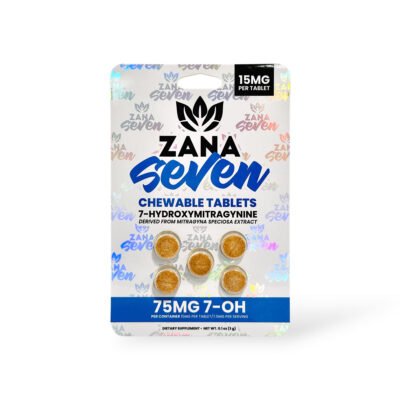
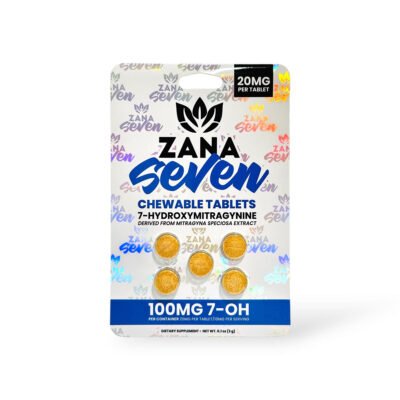
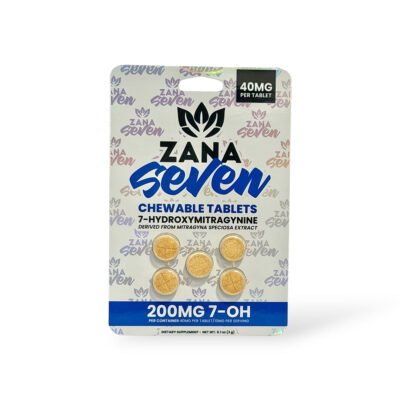
Zana Kratom is a name associated with kratom products made from the leaves of Mitragyna speciosa, a tropical tree native to Southeast Asia. Kratom products are commonly sold in several forms, including powders, capsules, tablets, extracts, and liquid preparations. Because product strength and composition can vary considerably, understanding what kratom is and how Zana Kratom products may differ is important before considering their use.
Kratom contains naturally occurring alkaloids, most notably mitragynine and 7-hydroxymitragynine. These compounds interact with receptors in the nervous system, including opioid receptors. The effects reported by users can vary depending on the product, its alkaloid concentration, the amount consumed, individual factors, and whether other substances are involved.
Zana Kratom refers to kratom products marketed under the Zana name. As with other kratom brands, individual products may differ in their formulation, concentration, serving size, and labeling.
Traditional kratom generally begins with dried leaves that are processed into a powder. Manufacturers may subsequently package the powder into capsules or tablets, or use extraction processes to create more concentrated products.
Consumers should therefore avoid assuming that every product carrying a particular brand name has identical strength. The product label, ingredient list, batch information, and laboratory documentation are more useful indicators of what a specific product contains.